|
Keynotes
Offered by Shirley Lee�(a.k.a.
Meeting Wizard)
NOTE:� Most keynote speeches are for
20-30 minutes.� Interactive keynotes may run 45-60 minutes.
Click to see where open-to-public presentations have
been
Communicate Clearly
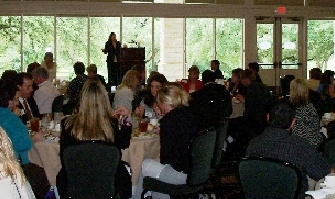
- Perfecting Presentations with the 4 P's�
20-30 minutes explaining how great
presentations are the cornerstone to sharing information, making
sales, and getting the desired results. The four P�s of presentation
are the�steps that can help with creating and delivering
presentations. The four P�s are: Plan, Prepare, Practice, and Perform.
- Create with Plan and Prepare, which
are the creative steps where you will ask yourself questions about
your subject and audience in order to create the best possible
presentation. (see
related article)
- Deliver with Practice and Perform,
which are the delivery prep-steps with suggestions that help you
polish your presentation. �(see
related article)
Interactive version includes 10-15
additional minutes for discussion of typical PowerPoint errors and
body language expression by presenters.
- Communicate clearly (a.k.a. The 3 Aints of Texas)
Communication, whether written or
verbal,� is key to success because it can effect how our
initiatives and plans are perceived and carried out.� By looking
at how things are pronounced and clearly understanding the importance
of listening and review we can vastly improve how our future
communications are received.� We will do this by looking at the
pronunciation of three aints to:
-
Understand who the audience is and what the
purpose of the communication to them should be.
-
Make sure the communication relates to audience
using words and terms they are familiar with.
-
Insure the communication is trusted information
and does not cause irritation to the intended audience.
Top of
Keynote
List
Get Organized
- SIFT through clutter for what you need
When you organize your workspace,
you accomplish things more quickly by knowing where to find necessary
items when you need them.�� We can unclutter by working
through The SIFT recipe� to learn how to take action by: �
- Developing a scheme how the new area
should look by analyzing it's current and future use to determine a
plan and schedule for reorganizing.
- Initiating the organizing plan by
sorting items to find the right place for everything you keep and
eliminate what you don't need.
- Determining the best way to format
storage of the kept items and efficient use of our space.
- Triumphing over the clutter by
making a plan for keeping everything organized before we call it
done and take time to celebrate.
- SIFT and SIFT2 to de-clutter
Longer interactive version of 4 points from
"SIFT through clutter for what you need" with a deeper look at
initiate portion with SIFT2 categories and adding discussion time on
problems areas where group helps in determining potential solutions.
Top of
Keynote
List
Manage Meetings
- Moving meetings from boring to productive (based on
R.A!R.A! book)
35-45 minutes on how can we make all of our meetings be
both enjoyable and effective.� We can do this by using a four part
meeting management approach like RARA which stresses important
elements of productive meetings.� With the RARA approach, meeting
leaders and members learn to:
-
Assign appropriate roles to insure the
meeting is successful and its purpose is accomplished.
-
Create an agenda to start and end
meetings on-time, as well as keep meetings focused and on-track.
-
Utilize meeting records to track
progress during and after the meeting, keep members focused, and
to prevent redundancy or rabbit trails.
-
Initiate action during the meeting and
assignment of follow-up actions with due dates to people so
outside tasks are completed.
How do we know if our business meetings
are a worthwhile investment of our time or just a loss in
productivity?� To start with we will take a look at a formula for
determining the typical cost of a meeting and what gets accomplished
in an average meeting.� Then we will evaluate our typical�
meeting to determine where our weaknesses lie.� Afterwards we
will determine an approach that will move our next and future meetings
from ineffective to productive.�� This version is�perfect for
meeting and project leaders looking for new ideas to improve their
meeting management.
Longer interactive version of 4 top
points from "Moving meetings from boring to productive" with the
evaluation portion of "How do
your meetings score?"� This version is�
perfect for organizations that focus on training, coaching, or
leadership.
An interactive
discussion of why people go to meetings, which includes what types of
meetings require active participation by attendees.� If meeting is
held for the right reason, how can you make sure the meeting purpose
gets accomplished considering the personalities of the attendees?� If
the wrong people are attending, what can be done to fix this so the
right people are participating in the meeting?�
30-50 minutes of interactive discussion
based on ten mistakes meeting leaders make.� Designed for
leadership members to discuss how they can improve meetings they lead.
30-45 minutes of facilitated discussion
based on seven meeting blunders participants bear.� Designed for
team members to discuss how they can improve their meetings.
If it is a
professional responsibility to develop skills that help to improve the
services and documentation provided for your business meetings, then
an understanding of minutes as the historical record of what happened
in the meeting is key.� Having the skills to provide a good history of
each meeting can save company managers and employees time in future
meetings and will insure the necessary actions outside the meeting are
completed so that the productivity of meetings is also improved. �This
45-60 minute interactive session is designed for administrative and
other professionals who are responsible for providing this key
record-keeping role to understand how the production of minutes can be
most beneficial to the people reading them.� Production guidelines for
professional minutes will include:
-
Key elements to put at the beginning
of minutes
-
Methods for recording meeting
discussions
-
Why definitions in documentation are
important
-
Why just recording decisions is not
enough
-
Information that should be put at the
end of minutes
-
Ideas to improve the value of the
record-keeper role
Top of
Keynote
List
�Manage
Time
Managing our time effectively is critical
to our success and the success of our personal projects and� business
today.� Is the old time management still working or do we need to
adjust the principles to fit the work of teams and managers now?�
People may try to implement some portion of a time management philosophy
or program but often they only do this on the job.� So few are
successful in embracing the concepts outside the business environment,
which also makes them less successful at keeping on-track at work.�
Is there an easier way to get a better grip on both our professional
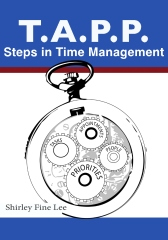
and personal time?�� Yes, by utilizing the steps outlined in TAPP where individuals learn to:
- Focus on doing the most important
tasks each day in order to achieve goals.
- Schedule those appointments that
are vital to meeting their important goals.
- Assign priorities to their tasks
and appointments in order to best meet their goals.
- Understand how working in teams
and with other people can
affect their time management plan in both positive and
negative ways.
Since women entered
the workforce many have maintained that they must not only do their
�for pay� work but continue their other family and civic duties as
well.� Are the �do it all� attitude and the stress it can cause really
necessary for the women of today?� Must women continue to feel that
they each must be superwoman for everyone by keeping every appointment
and doing every task themselves?� Learning to manage time may help to
create the woman you want to be without sacrificing the people and
priorities that are important to you.
Top of
Keynote
List
Social Media
-
Does Your Business Need A Social Web
Footprint?
The world of social
marketing for business or information gathering can be confusing to
navigate.� It can be hard to decide what to say on-line or find the
best way to spread the news about a new products and service. In 30-40 minutes, this interactive presentation should help answer the
following questions about planning a social footprint for any size
business:�
- Who should be on a social network and
Why?
- What social media is available and How
you can use it?
- When and Where can you learn more or
share expertise?
- Who's Afraid To Tweet? (a.k.a. Twitter Basics)
In approximately an
hour, this Twitter tutorial covers the basics of using this social
networking tool.� The session will discuss how to use Twitter for
closed group communication such corporate teams or friends and family,
as well as using it publicly for marketing and information sharing.�
The presentation portion will cover the following basics for new users
and potential users.
- Twitter for personal or
professional purposes
- How to use Twitter as a research
tool
- What is the best way to set-up an
account - Public vs. Private
- How to use an account to send a
tweet or retweet (and the what's difference)
- Where to find people to follow
and/or how to get followers
- Sending and receiving direct
messages
- Proper etiquette on Twitter
Approximately 30-45
minutes for this session designed for people already using Twitter or
social networks for their business marketing and promotion.�
Session covers the list feature in Twitter as a way to help manage the
influx of information on Twitter to an account, as well as
applications and utilities outside of Twitter that may be used to
manage messaging or following.� Where to get widgets, badges, and
buttons for websites and blogs is noted.� .Also covered is
interfacing Twitter account with Facebook, LinkedIN, and MySpace status
updates.�
May be used as an
extensive follow-up discussion or short advanced user lecture after
"Who's Afraid to Tweet" for current users of Twitter or people who use
other social networking tools and wish to know more than just how to
get started on Twitter.
Top of
Keynote
List
�
|